
I help Western companies do business in China.
You tell me what you need. My team and I take care of it.
No pitch. No commitment. Just a straight conversation about your situation.
Based in Shanghai 上海. For a reason.
You can't manage China operations from a desk in Germany. That's why I'm here. My team grew up in this culture, speaks the language, and has spent years building the relationships that make business in China actually work. With suppliers, distributors, regulators, and the people who get things done.
Here's what we do.
Everything runs through our team in China. We do it in-house because that's the only way I can stand behind it.

China & Asia Market Entry
What works in Berlin or New York won't fly in Shanghai. Different platforms, different consumers, different regulations. We figure out what actually makes sense for your business before you spend a dollar.
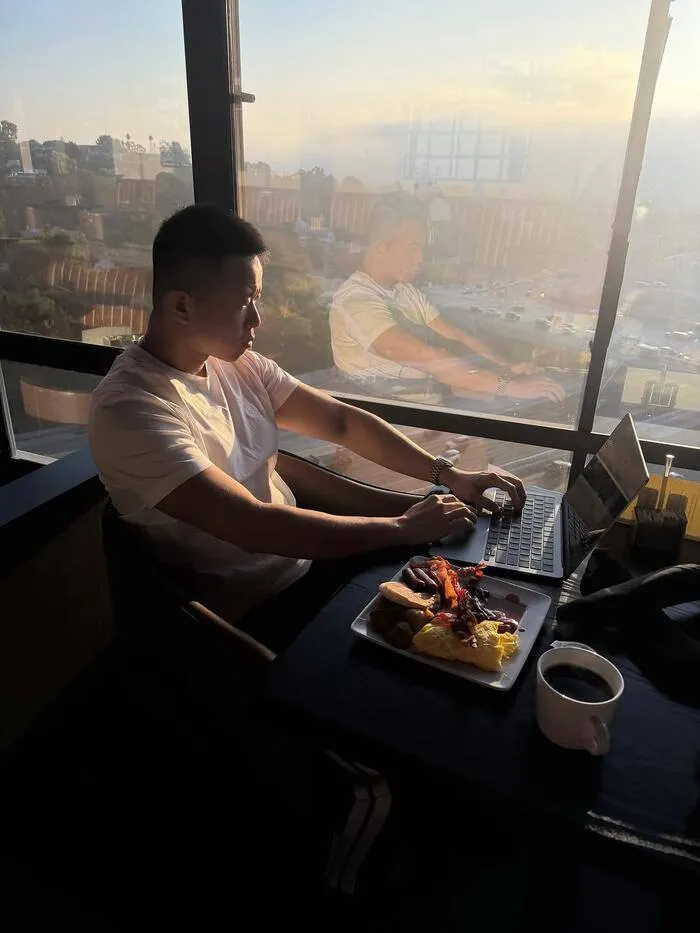
Consulting & Advisory
You've got questions about China that Google won't answer honestly. I look at your specific situation and tell you what's realistic. And what isn't. I'd rather say so now than let you waste money.
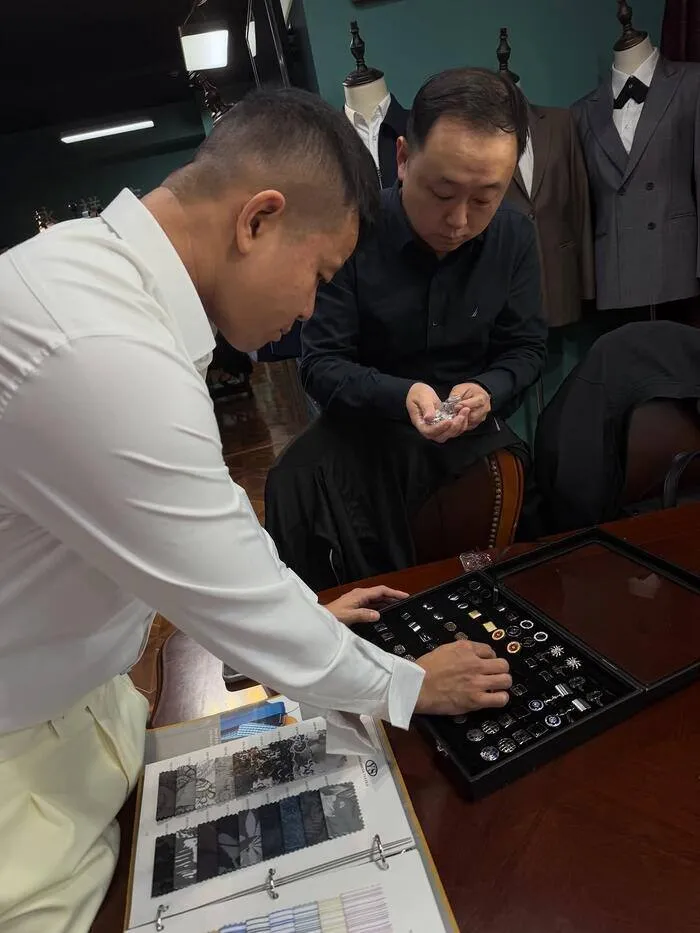
Sourcing & Supply Chain
I find your supplier, negotiate the price in Mandarin, and check every sample before it ships. My margin is in the final price. Most clients end up paying less than before.
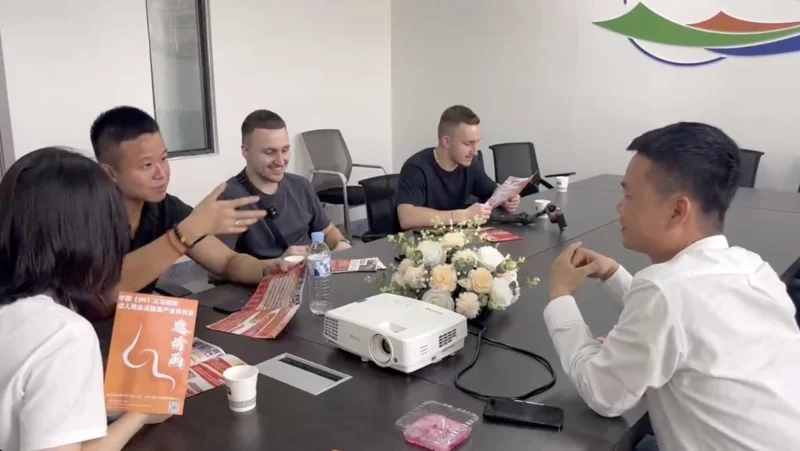
Production & Scaling
You send me the specs, I sit with the manufacturer until the prototype matches. If it doesn't, I go back the next day. When your capacity is maxed out at home and you need to scale through China, that's where I come in.
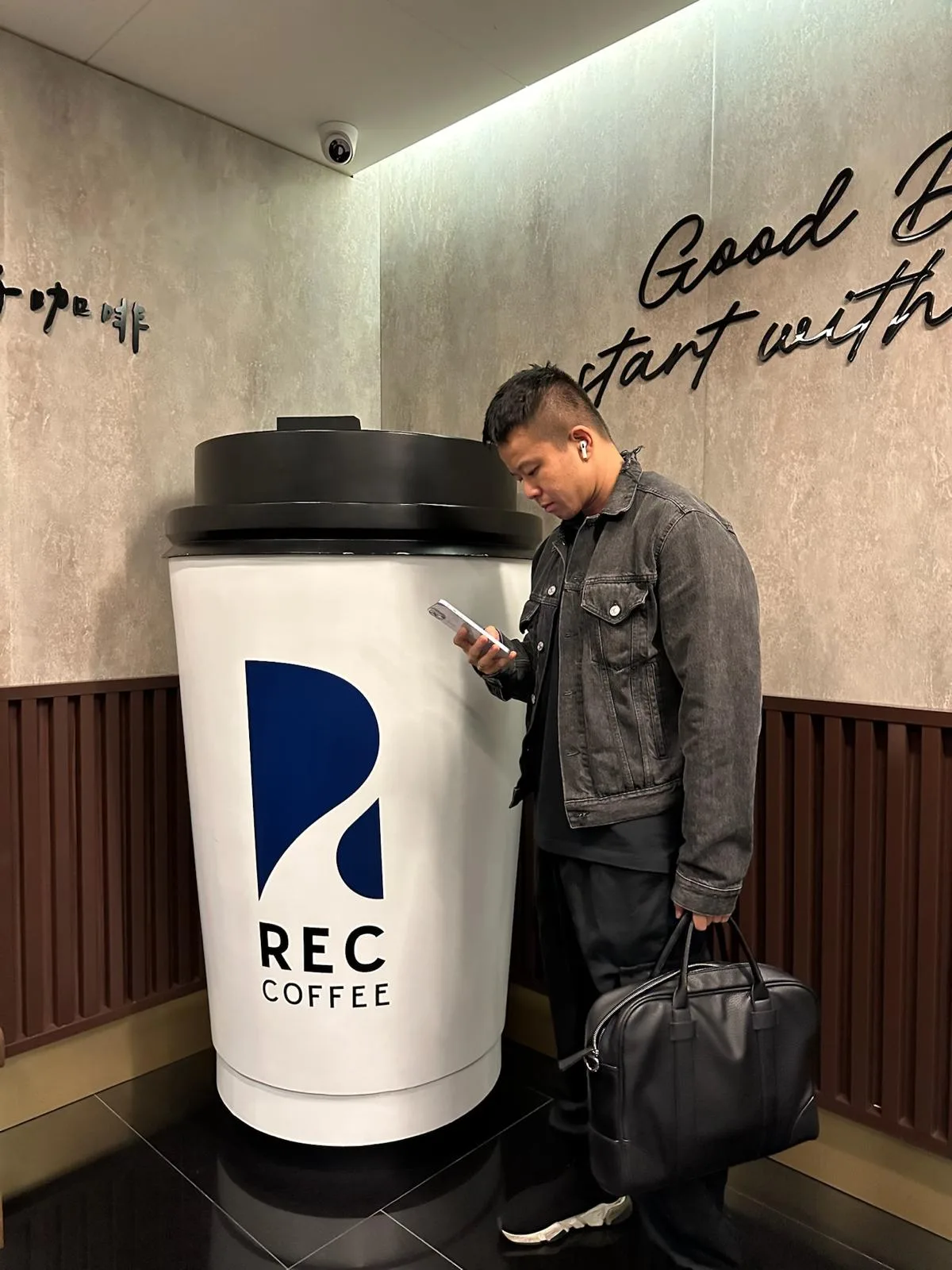
Social Media & Marketing
Douyin isn't TikTok with subtitles. Xiaohongshu isn't Instagram in Mandarin. The algorithms, the formats, the humor. Everything works differently here. My team doesn't just post on these platforms. They use them every day.
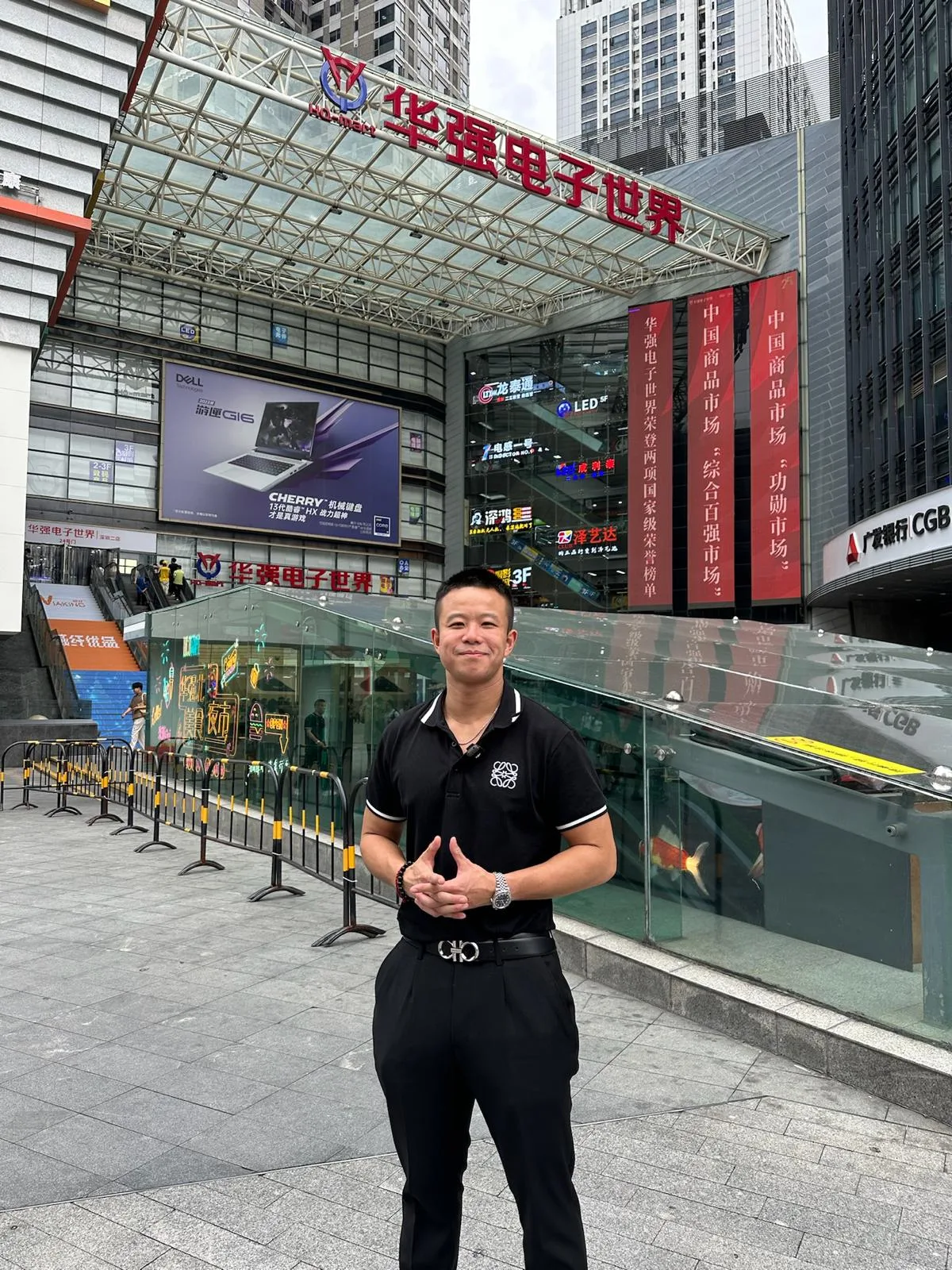
Talent & Partnerships
Finding good people in China is hard if you don't know where to look. I've spent years building a network of developers, sales reps, logistics partners, and distributors. Every contact is someone I've worked with personally.
I've seen companies burn through six figures on a supplier that looked perfect on paper. The ones who actually make it work here have someone on the ground.
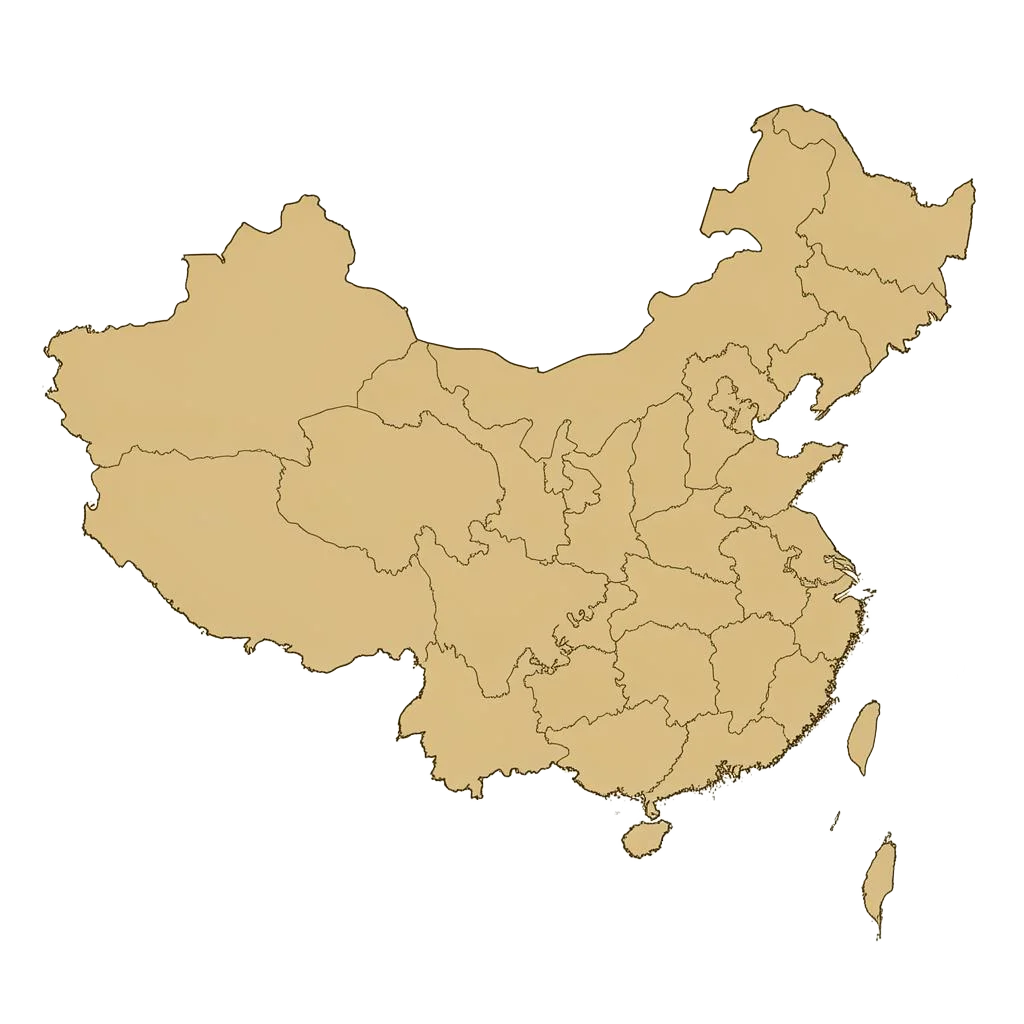
Business runs on relationships.
In China, it's called guanxi 關係. The better the relationship, the better the deal. Whether that's a supplier, a distributor, a government office, or a potential partner. Nobody in China takes a cold email from abroad seriously. But when I show up in person, speak Mandarin, and we've done business for years? That changes everything.
Due diligence can't be done from a laptop.
Last year I visited a factory in Shenzhen. Great website. Clean photos. When I walked in, half the machines were off. I've had the same experience vetting distributors, partners, and service providers. What people show you online and what's actually happening are two different things in China. That's why I go there myself.
The language barrier is just the surface.
Google Translate can handle Mandarin. But when the supplier across the table says "yes" and actually means "I'll think about it" (which means no), no app catches that. You learn those things at dinner tables over years, in both countries.
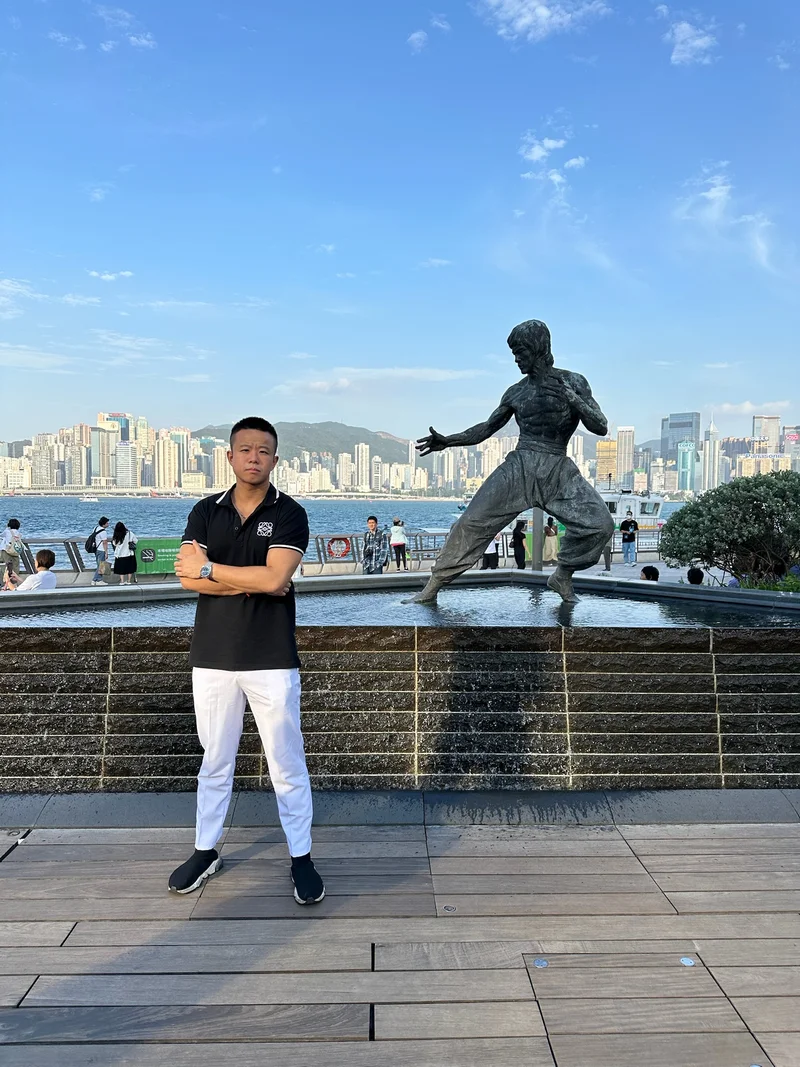
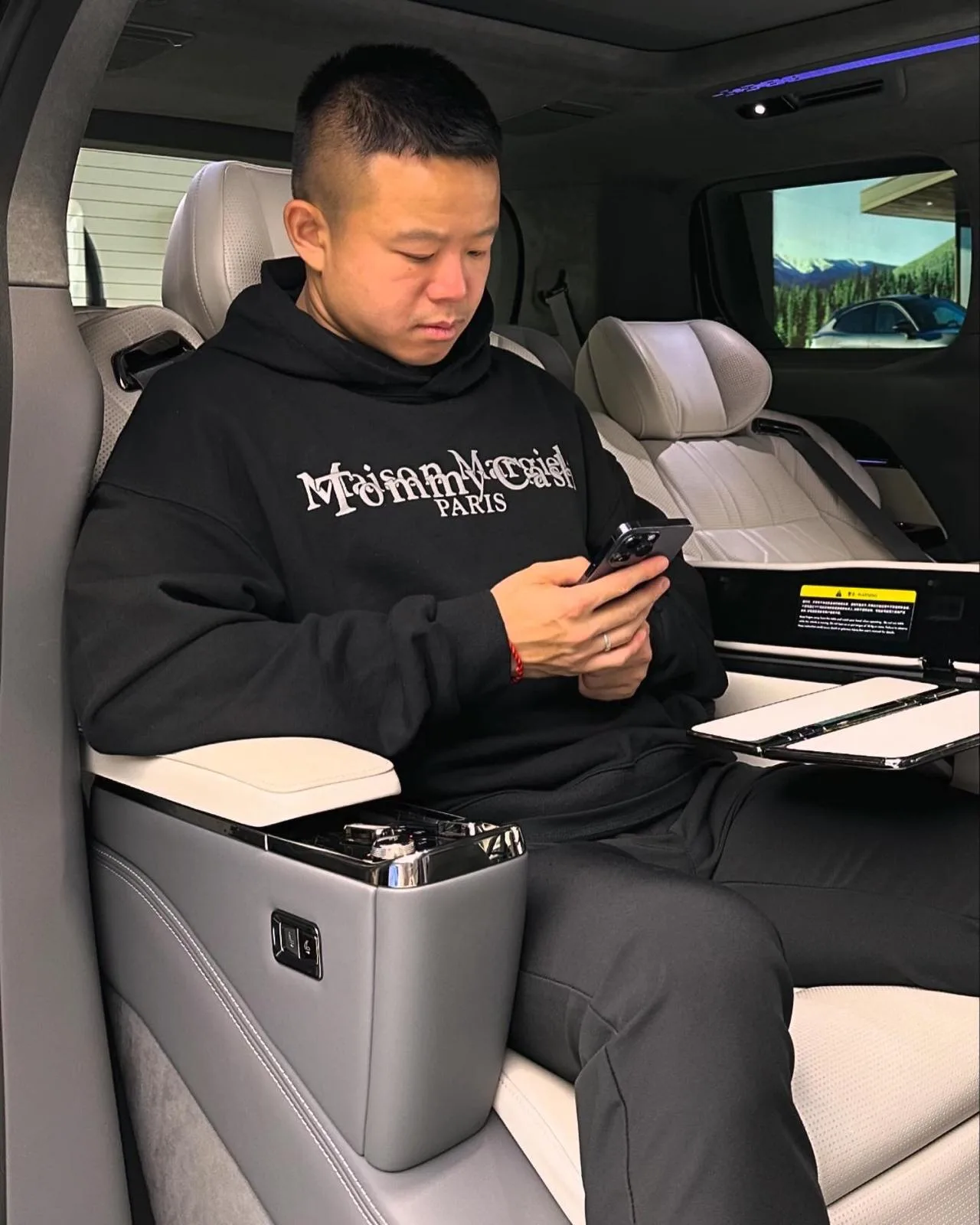
I frequently travel by car from Hong Kong 香港 to Shenzhen 深圳. It only takes 30 minutes.
I grew up in a Chinese household in Germany. After finishing my degree in International Business Management with a China focus, I moved to Shanghai in 2023. The business happens here, and I wanted to be where the decisions are made, not managing things from a timezone away.
My team consists of four people, all based in China. Between us we cover English, German, Mandarin, and Spanish. Your deals get negotiated in the right language, with the right cultural context, by people who actually live here. Beyond the core team, we work with a network of specialists we've vetted over years. QC inspectors, freight agents, legal translators.
I've run my own business since I was 22. That taught me what works and what doesn't when your own money is on the line. It's a different kind of attention than you get from someone on a salary.
Could I run this from Germany? Technically, yes. But I've seen what happens when you manage China remotely. Things slip, context gets lost, and by the time you notice, it's already cost you a production run. That's why I'm here. Not because it's convenient, but because it's the only way this works.
Trade shows, factory visits, partner vetting, market research, regulatory meetings. Some weeks it's Shenzhen, some weeks it's Yiwu, some weeks it's a government office in Shanghai. The work happens on the ground.
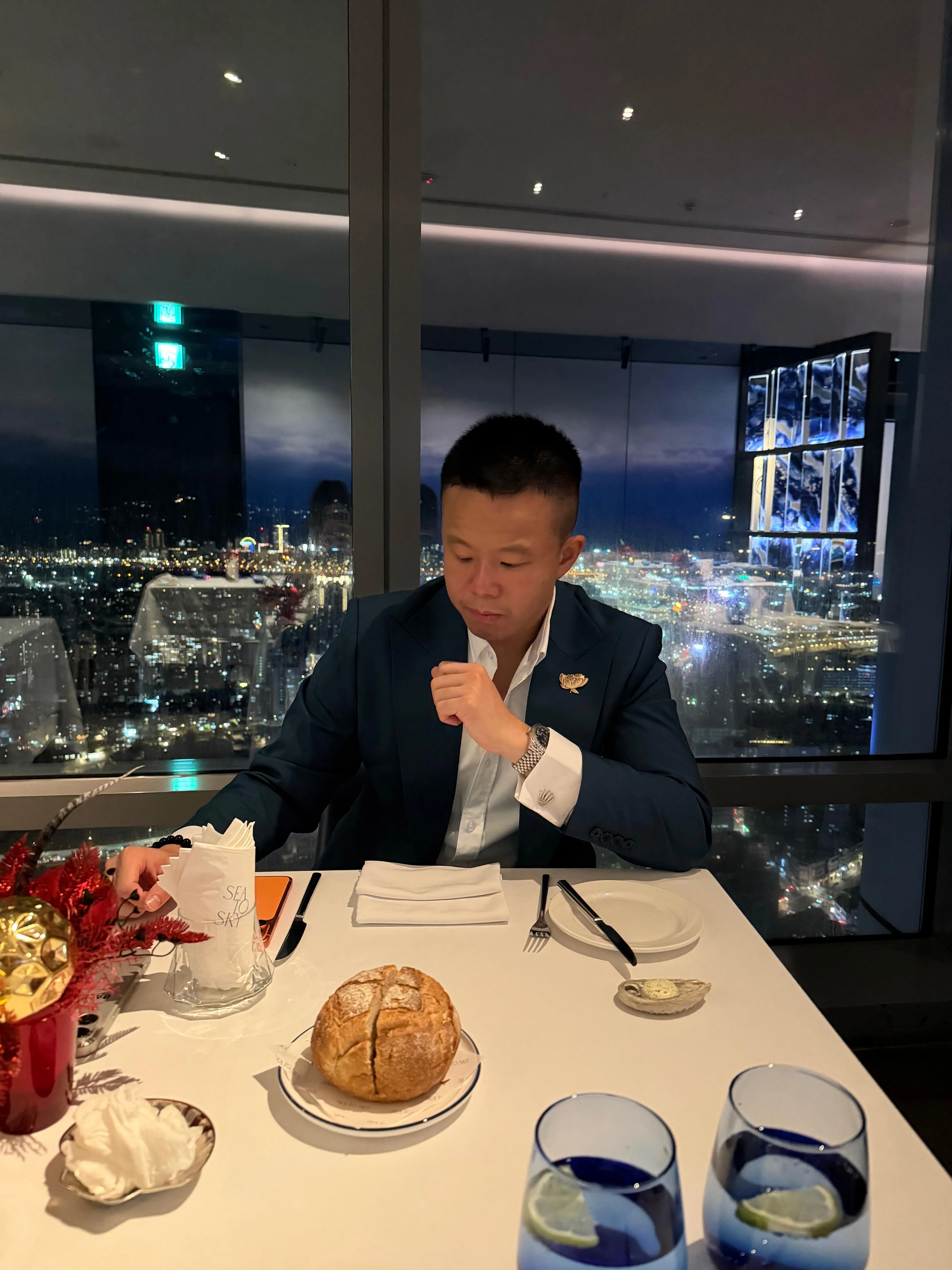 Business DinnerHuaqiangbei · ShenzhenDay to DayOn the Move
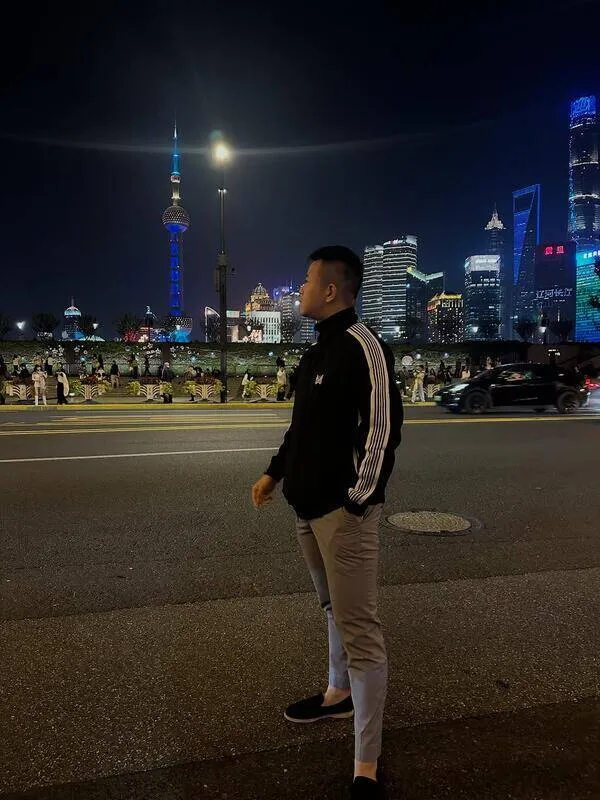 The Bund · Night
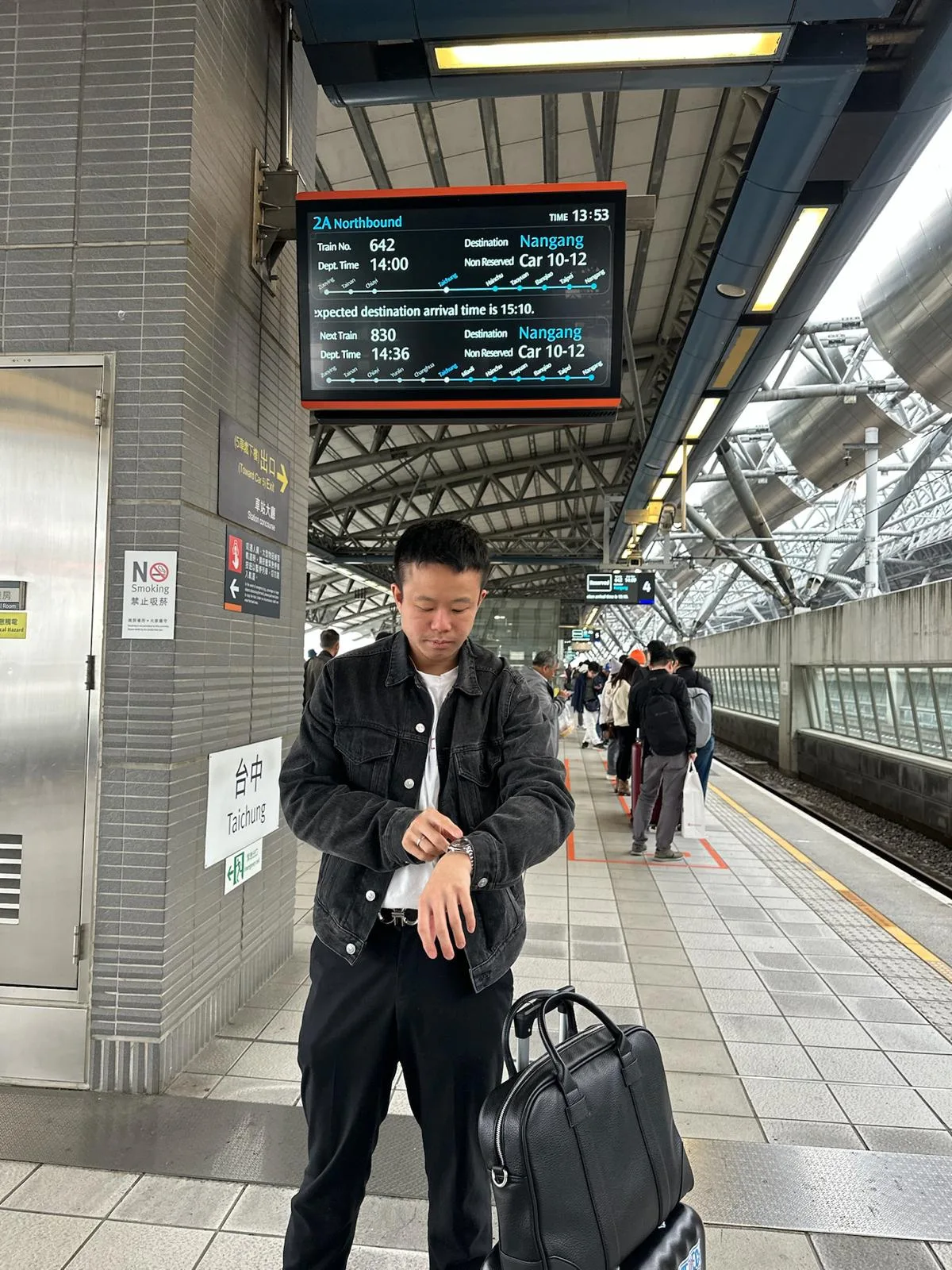 TransitBusiness DinnerHuaqiangbei · ShenzhenDay to DayOn the MoveThe Bund · NightTransit
Three steps. A small deposit covers the research. Everything else happens after you've said yes.
Free Consultation
30 minutes, video or phone. You tell me what you're working on, I tell you honestly what I think. If I can help, I'll explain exactly how. If I can't, I'll say so and point you in the right direction. No risk from your side.
Research & Due Diligence
My team gets to work. We go to the production sites, talk to people, compare what's out there. Then you get a proposal with real numbers that you can actually decide on. A small deposit covers the legwork. Nothing else until you've said yes.
Execution & Ongoing Support
Once you approve, we move. I manage the project personally and keep you in the loop every week. If something goes wrong, I don't send you an email about it. I call, fix it, and then tell you what happened. You deal with one person the whole time. That's me.
I've seen it enough times. Companies that try to manage China remotely end up spending more, waiting longer, and catching problems too late. These are the three that come up the most.
No local negotiator means you're getting the foreigner price. On everything. Suppliers, services, rent, partnerships.
Unvetted partners. Unknown regulations. Quality problems that surface after it's too late. If nobody's checking on the ground, nobody's checking.
Business in China runs on relationships and speed. Email across time zones delivers neither.

Book your free strategy call.
A short call about your situation. I'll tell you what I can do and whether it makes sense. No pitch.
Based in
Shanghai, China
UTC+8 · Available globally